
The Ultimate Guide to the Artificial Intelligence Photoshoot Revolution
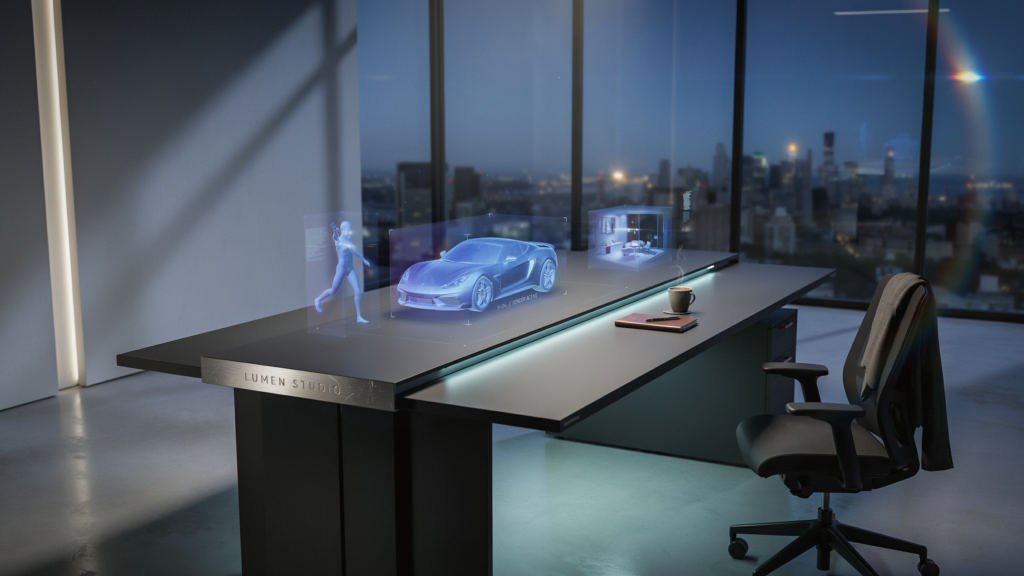
Photography is going through the biggest transition since film moved to digital. In recent decades, sourcing quality photography meant expensive studios, hiring models, high-end camera gear and days—if not weeks—of awaiting final edits. Today, a revolutionary alternative is taking both the creative and commercial world by storm. The rise of the artificial intelligence photoshoot is revolutionizing our approach to personal portraits, visual branding and commercial advertising.
Whether you are an e-commerce entrepreneur with a new product line to showcase, a professional seeking for a polished LinkedIn headshot or whether you’re a creative director looking into stretching your digital art capabilities this technology offers as much flexibility as never before. This definitive guide explores the impact of virtual imaging on our visual culture, the rapid adoption by brands worldwide and how you could leverage this to step up your own business.
Concept: What is an Artificial Intelligence Photoshoot?
An artificial intelligence photoshoot, at its essence, breaks the space opportunities that come with a physical location of things and an actual camera. Instead of utilizing a film camera sensor to capture light reflecting off its subject, it employs sophisticated machine learning techniques (diffusion models and generative adversarial networks gans) to generate photorealistic images given text prompts or base reference images.
This is what you would get if a Director and an infinitely capable digital artist combined mind. You don’t require a place, you just need to tell what the scene is about, hows the lightings and mood of it and who is staring from there. The AI is then doing those step-by-step instructions and generating a clean, high-quality image that replicates the depth of field, lens blur and simulated texture of a true DSLR camera.
This process is not just about adding filters to old photographs. Creating photorealistic assets entirely from scratch. You have the ability to put a model on a sunny beach in Bali, in an eerie studio in London, or at a high-tech sci-fi place whereas sitting at your office desk.
This brings us to a new realm – The Photorealistic Images Generation With Generative AI
For understanding the magic of a virtual camera, we have to dig deeper into generative AI. When you start a photoshoot with artificial intelligence, the AI uses billions of data points it has already analyzed. It learns about the most nuanced forms of human anatomy; it understands how light bounces off individual fabrics and how shadows fall across different surfaces.
It is this depth of knowledge which enables an artificial intelligence photoshoot to appear so utterly real, without any hint of the plastic, “uncanny valley” appearance that plagued the first efforts for digital rendering. It is not as simple as just copy pasting elements — the AI paints pixel by pixel, calculating reflection and refraction in real-time. This generates the image to be almost indistinguishable from an actual photo taken by a human photographer with a physical camera.
The Money factor: Making Expensive Commercial Photography Accessible for Everyone
The expense of commercial photography has always been a significant entry hurdle for startups, small businesses, and solo creators. The cost of renting a studio, hiring photgraphers, hair and make up people – licensing fees can quickly add up and bust the budget of even small businesses.
With thousands of dollars spent on a conventional studio session, an artificial intelligence photoshoot makes it only a small portion cheaper. Businesses can now produce hundreds of iterations of a product or model in different environments for peanuts rather than burn through massive swathes of their marketing spend on one afternoon’s worth of filming.
And furthermore, this democratization is beyond cost. It evens the playing field. Because now, a little Shopify merchant with a garage can also get visual assets that look just as slick, high-end and professional as those of some multi-million-dollar global brand.
Minimizing Overhead and Removing Logistical Nightmares
Apart from tangible savings, think about logistical savings. Scheduled all these traditional shooting shall make delays even more shocking. Bad weather can spoil an outdoor session, shipping delays can bog down product samples and models or members of the crew fall ill.
You don’t have those hazards with a virtual generation. You do not have to book a pricey re-shoot, if you decide that the model’s outfit must be changed or the angle of sun in your background stance. You just change your prompt or tweak some parameters on your AI tool. This responsiveness helps businesses to act on market change in real-time, enabling new campaigns to be up and running within hours versus weeks.
AI Photography: Transforming Key Industries
Other virtual imaging applications have also made strides and it is very flexible, so nearly all industries that need content can take advantage of this shift. The automated studio is now a commonplace tool in standard business as opposed to an experimental piece of digital fine art. One of the most devastated sectors, retail and e-commerce are taking advantage of an AI photoshoot that can showcase goods in infinitely various settings from within their warehouses.
Instead of showing a single product in dozens of lifestyle scenarios, businesses can now show it in hundreds by leaving behind antiquated physical constraints It enables brands to especially target their audiences with visuals that speak directly to a specific demographic, region, or season.
E-Commerce And Product Showcases
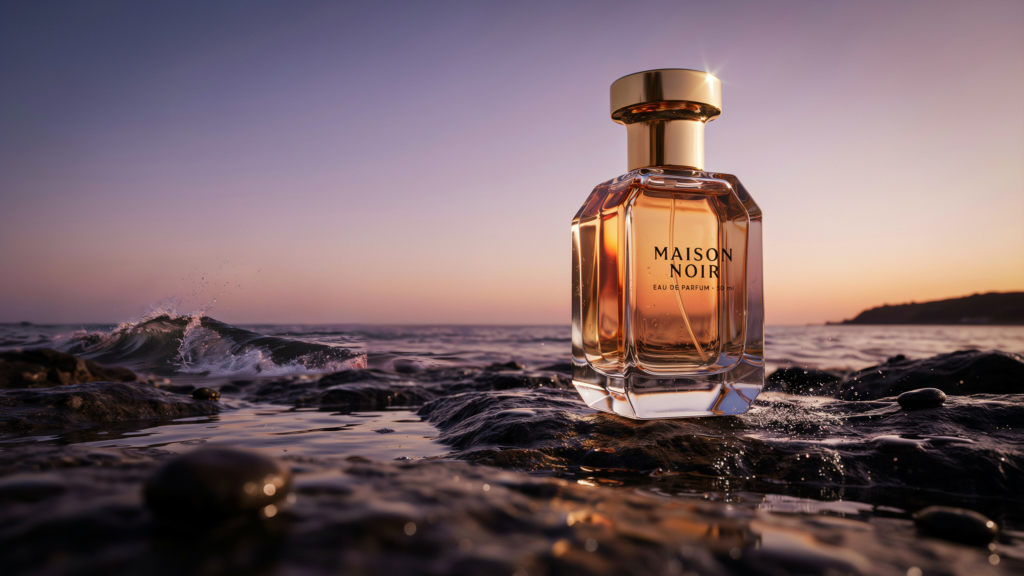
Product images are the final conversions in e-commerce. Since consumers cannot physically interact with the product, they are completely dependent on how it is presented. In the past, this meant booking a professional photographer, lighting for hours and laying things out so shininess wasn’t too bad.
Generative technology today does all this automatically in one pipeline. E-commerce stores upload a simple, clear image of their goods and the artificial intelligence will place it seamlessly into an authentic lifestyle background. From a luxury watch perched on the edge of a rough mountain boulder at dusk, to bottles of skincare in an immaculate marble bathroom sink — AI figures out correct shadows and highlights and reflections on the product itself. And it provides a completely integrated, organic appearance that earns consumer trust immediately.
Corporate Branding & Professional Headshots
Corporate headshots is another massive sector that was disrupted. It is a logistical nightmare trying to make hundreds of remote employees all look the same in their company directory. Some employees will submit photos taken on previous vacations, others might send a poorly-lit selfie.
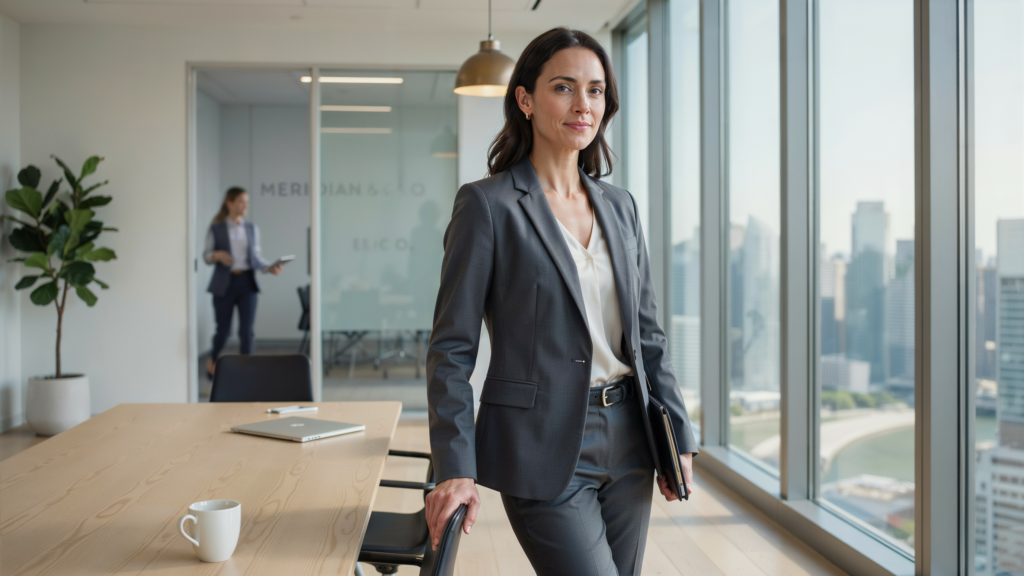
If you have a busy life and would rather avoid the time-consuming trip to a studio for an outstanding portrait, this is where an artificial intelligence photoshoot can come in and create your pixel-perfect LinkedIn headshots from just a couple of relaxed selfies. The AI recognizes your facial structure, expression, and features to outfit you in professional business attire, generate a slick corporate office environment around you, and set the lighting like the most pristine pro studio setup. This creates brand standardization across whole organizations at a small percentage of time and money.
How To: Run a Photoshoot with Artificial Intelligence (Step By Step)
The tech is highly sophisticated but once the workflow is understood, running a successful AI shoot is relatively simple. Though it doesn’t take years of technical training, you do need to think strategically about how to ensure the output is in exact accordance with your brand identity and aesthetic expectations.
Anyone can go from being an armature to a full-fledged virtual director by just deconstructing the steps of creativity and taking things one brick at a time, so they produce impressive photos that attract attention and engage clients.
Step 1: You sketch your concrete vision and style
A clear vision defines all the great visual content you will ever come up with. Eliminate your AI generators before typing any word there. A Mig-31 jetfighter performs at the Moscow airshow in 2015 (Getty Images) What you want to make Emotions?
Briefly consider the most important aspects of your scene, such as:
The Subject: Is it a person, a product or just an idea?
Enviroment — Indoor, outdoor, city or natural?
The Lighting: Do you want some soft morning light, dramatic golden hour glow or a moody studio spotlight?
The Color Palette: Which is a set of warm and earthy tones, cool and modern look — or bright vibrant hues?
If a human photographer needed to rely on the foundation that a traditional mood board provides, then so does your artificial intelligence photoshoot. The more clarity there is in your concept, the less cognitive load must be applied to transform your ideas to specific text prompts.
Step 2 : Choosing the Correct AI Tools and Platform
The next important part of your artificial intelligence photo shoot setup, is to choose the right platform depending on what you actually want. While there is a multiplicity of specialized tools on the AI landscape, each serving multiple types of creative tasks.
For hyper-realistic human models, fashion editorials, and complex background scenes, there are few tools more powerful than platforms such as Midjourney, Stable Diffusion or Flux because these tools give you unprecedented control over details, textures and artistic styles. However is clearly tailored more towards putting products in scenes and still e-commerce shots camera background, if your main usage is for product anything and clean e-com visuals then there are better platforms specialized like Pebblely or Flair. ai are specifically designed to keep the product intact in physical form and structure while altering its surrounding environment. Knowing what tool to use will save you hours of working with trial and error while also providing you with the best quality output your software is capable of.
Have You Mastered the Craft of Prompting for Realistic Results?
One of the best parts you will find with an artificial intelligence photoshoot is how to learn this new language AI generator. In photography as you know it, you adjust the physical dials on your camera like aperture size and ISO; in the virtual world, your words are effectively your lens, shutter speed and lighting setup. In order to really produce photorealistic results, you have to master the diversity of describing in very structured text prompts what exactly is being done in every single generated stage by the AI.
Instead of writing a plain prompt such as “a man in a blue suit” you will need to show, not tell. More effectively “a portrait of an honest middle aged man in a custom royal blue wool suit, seated on a modern highrise office at golden hour.” Soft side light, cinematic depth of field, 50mm lens shot @ f/1.8 high-res photorealistic texture. If you tell the AI what materials, direction of light, and camera equipment was needed you’ll receive a vastly improved image.
How to Turn Camera Settings into Text Prompts
It helps to have a foundational understanding of basic photography terminology as you will be using this to get the most out of your generative sessions. The AI models are trained on millions of real-world photographs with metadata about things like lens types, focal lengths, and camera modes. With these technical terms you can easily take control of how it looks by adding that to your prompt:
Focal Length & Type of Lens: Using a term like “85mm portrait lens”, or “35mm street photography lens” is a way to instruct the AI and muddy the background / frame your subject.
Aperture & Depth of Field: f/1.4 aperture or shallow depth of field will provide the gorgeous, blurred background (also known as bokeh effect) that gives portraits a really professional touch
Lighting Styles: Write your specifications. Phrases such as “soft diffuse light,” “rim lighting,” “dramatic chiaroscuro,” or “natural window light” will radically change the feel and believability of your final render.
Tuning and Running with Your Planning
Because even the best art generator is unlikely to get it totally right first time, post-processing plays an essential role in any AI photoshoot. An image might be nearly perfect, but then along comes this hand that’s a little bit wrong or an out of place detail in the background. However, These are days with modern generative toolsets that dominate as powerful editors to adjust or improve your images without recreating all from scratch.
By learning to use these cutting-edge editing techniques, you can go from a casual user of your image editor to a true digital artist taking complete control over every pixel in the final output.
Inpainting, outpainting & hybrid editing
Inpainting and outpainting are two of the most powerful tools in virtual image generation:
Inpainting (Generative Fill): Lets you select an area within a pre-generated image—maybe the shirt of an athlete, the hair of a model or the label on a product—and ask it to replace itself with whatever you instruct. Inpainting is perfect for the changing a winter coat to summer t-shirt without changing model face and backgrounds.
Outpainting (Canvas Expansion): You created a perfect square portrait and now need it as a landscape for your website banner? Outpainting allows you to extend the canvas boundaries. The AI will analyse the existing image and create a continuation of the background.
This combination connects the dots between direct generation and traditional photo editing, enabling total control over your final photoshoot with AI.
Synthetic Media Ethics
Of course, the efficiency and creative freedom provided by an artificial intelligence photoshoot are nothing to scoff at, but in reality it also presents many ethical questions. With synthetic media gaining notoriety and entering our visual diet at scale, creators and brands must tackle the questions of copyright, representation, and authenticity.
Like who is the owner of a copyright to an image created by an AI model? Laws around the world and in different jurisdictions are variable, but most legal frameworks as they stand today stipulate that purely AI-generated works which do not involve human intervention (an evolving definition of ‘human intervention’) cannot be copyrighted. The legal landscape is changing quickly, so it is important that businesses are familiar with current intellectual property regulations in their area.
Representation and Visual Integrity
Another fundamental ethical concern is the inherent bias found in machine learning systems. With an AI model learning from biased datasets, this may default to simplistic notions of beauty archetypes surrounding age, gender and ethnicity.
While we welcome the artificial intelligence photoshoot with open arms, industry experts and brands should introduce regulations in order to ensure transparency and responsible practice. It means actively encouraging diversity in text prompts to avoid stereotypical depictions, and informing consumers when an image is entirely synthetic (for industries such as journalism, cosmetics or weight loss where visual authenticity is at a premium).
What next in Virtual Photography?
With the evolution of technology, the definition of a standard artificial intelligence photoshoot is rapidly moving ” beyond still images to video and even interactive media. Gone are the days where we would be looking at static, flat images; now we’re in a multi-dimensional visual world. The next big step in the evolution of synthetic media is moving beyond high-res photos to short-form video generation, where a brand could hit Command + 1 and immediately have a cinematic social media reel or product ad.
Think of a world where you can create an advanced high fashion model doing your clothing brand and instantly move her down a Paris runway. The AI will calculate exactly how the fabric moves, how it grabs at the runway spotlights and drapes against the model’s body. Dynamic realism at this stage is no longer a pipe dream; it is even now deployed by innovative companies.
Problem: How to Shift from Static Imagery to Video Generation?
It has been predicted that the unification of 3D modeling and generative neural networks is going to lead us to real-time virtual fitting rooms and more interactive e-commerce areas. Soon, customers will be able to upload a simple selfie, and they can see themselves—now in an outfit found on an e-commerce website. The background environment will also be adjusted dynamically according to the style of clothing, it would change from snowy mountain peaks scene for winter jackets to sunny boardwalks in case swimwear.
Not only does that enhance the online shopping experience, but it’s also one of the best ways to reduce returns – which have long been one of the major financial costs for online stores. Virtual technology also enhances the judgment of a consumer by giving them an extremely clear picture of what the product will look like in real life to enhance their judgement and meet demands with digital convenience and physical certainty.
Human photographers, AI engines: Find your road
Even with the unparalleled benefits of automated imaging, you need to remember that generative tools are not meant to completely take over the jobs of human photographers. They are not. They are simply here to cooperate and re frame the creative ecosystem. When it comes to traditional shooting or artificial intelligence photoshoot, the decision all boils down to your project goals, budget and brand philosophy.
There is no replacement for the value generated from traditional photography when it comes to capturing human emotion, spontaneity, and raw/unscripted actions. While a human photographer is able to bring along empathy, improvisation, and physical flexibility. AI-driven photography, on the other hand, is great in terms of faster turn-around times, scalability and cost-effectiveness.
More successful brands are taking a hybrid approach, instead of perceiving this change as human versus machine. AI also helps professionals speed up entire post-production workflows saving time on background replacements, color grading & object removal between shots and giving clients stunning results faster than ever.
Conclusions: Learning to Be Virtual
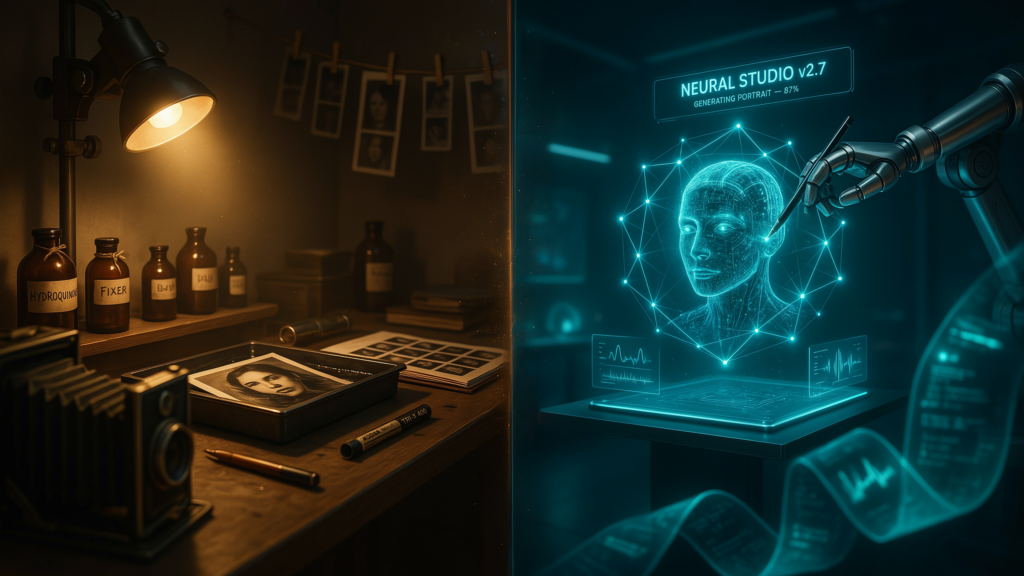
Ultimately, an artificial intelligence photoshoot is not just a passing technological fad but marks a paradigm shift in how we generate and process imagery. It removes the money and physical limitations that previously prevented entry into high-end visual production, so even new start-ups or established creative directors can now create their most elaborate visions.
Over time this is going to change as generative tools will be more deeply integrated in the creative industry. The earlier you embrace this evolution, the bigger the competitive advantage your brand will have—delivering relevant and powerful personalized visual content in a timely cost-effective manner to global audiences. The lens is virtual now (not really a mental cycle here) and can take what content feeds from all the human experience recorded to date until about October 2023.
If you liked this, then you’ll love: FAQ
Q1: What is an artificial intelligence photoshoot?
Artifical Intelligence (A. I.) photoshoot is actually the same as traditional photoshoots, only that A. I. can use complex machine learning algorithms –generative models– to synthesise near-real body images, environmental, and product images from a scracj of text description or base photo without even needing camera equipment!
Q2: Do I have to be a professional designer to work with AI photography?
No. Most of the modern platforms are designed in such a way that they provide user friendly Interfaces were you enter some simple English text based instructions and these tools generate high quality images. Still, with a bit of knowledge about common photography vocab like different lighting styles or types of lenses, you’ll be able to achieve cleaner outputs.
Q3: Is it legal to use AI-generated images for commercial use?
Yes, most premium generative platforms allow you to use the images that you generate for commercial purposes. Still, always best to check the individual terms of service for your chosen platform and stay on top of local laws surrounding intellectual property.
Q4: Can I find a way to use AI to put my real product into various backgrounds?
Yes. Several specialized platforms enable you to upload a clean image of your physical product (say, a bottle or shoe or bag), and AI will seamlessly drop it into photorealistic simulated environments with mathematically correct lighting, shadows, and reflections.